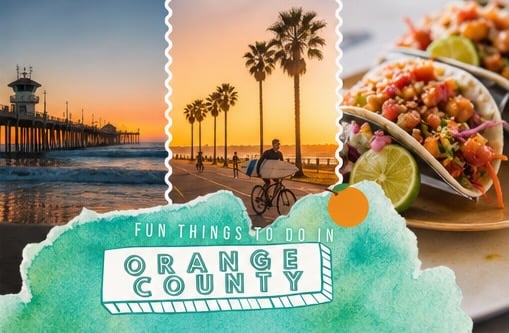
Moving to Orange County, California, from outside the area can feel like stepping into a new kind of balance: big-city perks with a laid-back coastal vibe, all wrapped in a patchwork of distinct neighborhoods. I didn’t grow up here, either, but I’ve spent some time getting to know OC’s rhythm. Here’s what I’d tell someone in the same boat: what it’s really like, and how to start feeling at home.
First impression: weather, outdoors, and a surprising amount of variety Orange County isn’t just “anywhere near the beach.” It’s a mosaic of coast, inland hills, and urban centers, each with its own pace. The weather is almost always agreeable—mild winters, warm springs, and sunny autumns—yet you’ll still notice microclimates. A few miles can change the feel of the day, especially from the coast to the inland valleys. A practical approach: plan outdoor time around the weather of the specific city you’re in, and keep a lightweight layer handy for evenings.
The coastline is within reach, but it isn’t the only draw If you love the ocean, you’ll find easy access to beaches in places like Huntington Beach, Newport Beach, and Laguna Beach. The vibe varies by spot: Huntington can feel buzzy and active, Newport more upscale and marina-centric, and Laguna offers cliffside views and artsy pockets. When you’re not chasing surf, you’ll notice plenty of parks, trails, and scenic canyons in places like Crystal Cove, Peters Canyon, or the Fullerton and Irvine regional parks. For a newcomer, a simple win is to pick one beach town as your weekend anchor and use the rest of OC to explore.
Community feel, but with different flavors OC doesn’t have a single “city culture.” Irvine feels very planned and family-friendly, with top-rated schools and well-kept neighborhoods. Costa Mesa offers a mix of shopping, dining, and arts, plus the surprisingly vibrant “edge” of the OC scene. Anaheim balances theme-park energy with diverse neighborhoods and a growing downtown. South Coast Plaza in Costa Mesa is a shopper’s heavy-hitter, while local farmers markets and street fairs give you a taste of everyday life beyond the big venues. As someone who didn’t grow up here, you’ll notice that communities keep a certain civic pride: well-kept streets, active city services, and a general sense that people take pride in where they live.
Housing reality and affordability Orange County has a reputation for high housing costs relative to many other parts of the country. If you’re moving here from elsewhere, you’ll want to approach housing with patience and options: consider nearby cities that fit your budget, look at rental-to-buy timelines, and keep an eye on HOA rules if you go condo or townhome. Realistic planning helps—factor commute times, school zones if you’re family-oriented, and proximity to work or transit. A practical step is to list your must-haves (good schools, walkability, proximity to the coast) and your nice-to-haves (ocean views, certain school programs) so you can compare neighborhoods more easily.
Getting around and navigating daily life Traffic is real, as in many parts of California, but OC offers some advantages: solid freeway connections, reliable public schools, and a generally car-friendly layout. If you’re open to it, biking and walking paths exist in many areas (and you’ll see families and commuters taking advantage of them). A simple starter tip: map your daily routes for a few weeks and notice which neighborhoods cluster around your essential stops (work, school, groceries). That helps you pick a base that minimizes back-and-forth.
Food, culture, and lifestyle OC’s food scene is a mix of casual, family-owned spots and newer, trendy concepts. You’ll find everything from classic California burritos to chef-led modern American, with frequent pop-up events and street-food-inspired weekends. The shopping scene ranges from big anchors in malls to independent boutiques in smaller districts. If you enjoy accessibility to both ongoing events and quiet afternoons, you’ll likely find a comfortable cadence here by choosing a central hub as your home base and using nearby neighborhoods as weekend retreats.
A simple sample weekend plan to try
-
Saturday morning: a cafe in a neighborhood you’re curious about, followed by a stroll in a nearby park or beach overlook.
-
Saturday afternoon: a casual meal in a diverse dining district, then a kid-friendly or art-forward activity if that’s relevant to you.
-
Sunday: a slow morning, a farmers market if available, and a scenic drive along a coast or canyon with a stop for views and a light hike.